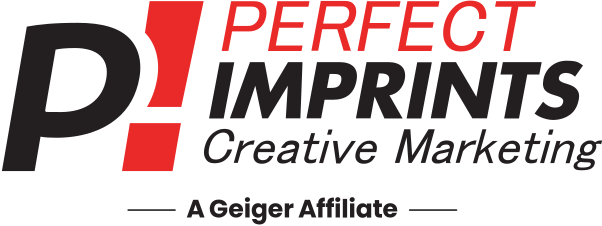
What Makes an Imprinted Logo Work on Promotional Products?
An imprinted logo works when it is placed on a product people actually keep and use, decorated with a method that fits the item and the artwork, and sized so it reads clearly at a glance. That is the short answer. The longer answer involves matching decoration methods to surfaces, choosing placement that survives daily handling, and ordering in bulk with the right artwork files and lead time. Marketing directors, HR directors, safety managers, and small-business owners all ask the same core question: will this imprinted logo get seen? The answer depends less on the logo itself and more on the product and process behind it.
Promotional products with an imprinted logo are a long-term brand investment. A logo-printed water bottle that travels to the gym, a branded tote bag that replaces a plastic bag at the grocery store, or a personalized notebook that sits on a desk all put a company name in front of an audience repeatedly. But not every decoration method works on every product, and not every placement survives a dishwasher or a washing machine. Understanding how imprinted logos are applied, where they should go, and which products suit which audiences turns a generic giveaway into a useful brand asset.
This guide covers the practical side of ordering bulk custom logo items: how decoration methods differ, how to choose placement, which organizations benefit most, and how to plan a giveaway that people keep. It also covers the details buyers need before requesting a quote, including artwork preparation, minimum order quantities that vary by product, and lead times that depend on decoration complexity.
How Imprinted Logos Are Applied to Promotional Products
The decoration method determines how sharp the imprinted logo looks, how long it lasts, and what artwork will reproduce well. Screen printing pushes thick ink through a mesh stencil onto flat surfaces like custom t-shirts, branded tote bags, and promotional drawstring bags. It handles bold, solid-color logos well and holds up to repeated washing. Pad printing uses a silicone pad to transfer ink onto curved or irregular surfaces such as promotional pens, custom water bottles, and branded stress relievers. It is the workhorse for small, hard items where screen printing cannot reach.
Embroidery stitches thread into fabric, which makes it the standard for logo-printed polo shirts, branded hats, custom fleece jackets, and promotional aprons. It gives a textured, premium look that suits client gifts and employee apparel. Laser engraving burns a permanent mark into wood, metal, and glass, so custom tumblers, personalized cutting boards, and branded metal pens get a mark that will not peel or fade. Full-color heat transfer prints photographic-quality artwork onto apparel and bags, which matters when a logo includes gradients or multiple colors that screen printing would have to separate.
Each method has limits. Screen printing works best with one to four spot colors; complex artwork may need full-color heat transfer instead. Pad printing excels on small, curved areas, so a promotional pen gets a compact logo rather than a wide banner. Embroidery has a stitch-count limit, so fine text and tiny details can blur; simplify the logo for stitched applications. Laser engraving produces a tone-on-tone mark, so a dark logo on a dark tumbler will not show. Buyers should ask which method the supplier recommends for the chosen product and request a virtual proof before approving bulk production.
Artwork preparation matters as much as the method. Vector files with clean lines and defined colors give the best results across screen printing, pad printing, and engraving. Low-resolution images may look fine on a screen but turn fuzzy when printed. For embroidered logos, a digitized file is needed so the machine knows where to place stitches. Most suppliers include proofing in the quote process, and buyers should review the proof for spelling, logo proportions, and placement before signing off. A small error caught at proof stage saves a full production run.
Durability varies by method and product care. Screen-printed apparel survives many wash cycles if washed inside out. Pad-printed pens and stress relievers last through daily handling. Laser-engraved tumblers and cutting boards are effectively permanent. Heat-transfer prints can crack over time if washed in hot water or dried on high heat. Buyers should match the method to how the product will be used. A safety manager ordering custom hard hats needs a method that survives outdoor jobsites, while an HR director ordering employee gifts can prioritize a premium look.
- Screen printing: best for flat fabric and bold, solid-color logos
- Pad printing: best for small, curved items like pens and stress relievers
- Embroidery: best for apparel and hats, gives a premium textured look
- Laser engraving: best for metal, wood, and glass, permanent mark
- Full-color heat transfer: best for multi-color or photographic artwork
Choosing Placement and Product for Maximum Logo Visibility
Placement decides whether an imprinted logo gets seen or gets hidden. On apparel, the left chest is the standard because it sits at eye level and reads well in photos. A logo-printed polo shirt with a left-chest imprint looks professional at a trade show, while a large back print works for event staff who need to be spotted in a crowd. On custom water bottles and promotional tumblers, a logo placed horizontally on the body is visible when the bottle sits on a desk, but a logo near the base can be obscured by a hand. Buyers should think about how the product will be held, carried, or displayed.
Product choice matters as much as placement. A branded tote bag carries a logo through a grocery store, a farmers market, and a conference hall. A custom notebook sits open on a desk, so a logo on the cover stays visible during meetings. Promotional pens get lent, lost, and replaced, which means a logo-printed pen travels to new desks. Custom drinkware stays on desks and in cup holders for months. The most effective promotional products are the ones people use daily, because repeated exposure builds recognition without additional spend.
Audience fit drives product selection. Marketing directors ordering trade show giveaways should choose items that are easy to carry and hard to throw away, such as branded tote bags, custom water bottles, and promotional pens. HR directors planning employee appreciation can choose logo-printed apparel, personalized tumblers, and branded notebooks that feel like gifts rather than handouts. Safety managers need items that support safety programs, such as custom hard hats, branded safety glasses, and promotional cooling towels with an imprinted logo that identifies the program. Small-business owners often prioritize client gifts, where personalized cutting boards, laser-engraved tumblers, and logo-printed jackets make a lasting impression.
Color contrast affects readability. A dark logo on a dark product disappears, so buyers should choose product colors that let the imprinted logo stand out. A white logo on a navy tumbler reads clearly; a navy logo on a black tumbler does not. For screen-printed apparel, consider how the logo color interacts with the garment color and whether a background or outline is needed. Suppliers can advise on contrast and may suggest an alternate product color when the artwork would not show well.
Quantity and distribution plan should guide product choice. If the goal is broad reach at a trade show, lower-cost items like promotional pens and branded drawstring bags let a company hand out more units. If the goal is employee retention, fewer but higher-quality items like logo-printed jackets or personalized tumblers may have more impact. Buyers should decide the audience size and the desired impression before selecting products, because minimum order quantities vary by product and are shown on each item listing.
Which Organizations Benefit from Imprinted Logo Products
Marketing directors use imprinted logo products to extend campaign reach beyond digital ads. A branded tote bag handed out at a conference keeps working after the event, and a logo-printed water bottle at a customer appreciation event puts the brand in a setting where people relax and pay attention. Trade show giveaways with a clear logo drive booth traffic and give attendees a reason to stop. Marketing teams also use promotional items as direct mail inserts or as part of a loyalty program, where a personalized notebook or custom tumbler rewards repeat customers.
HR directors rely on logo-printed apparel and personalized gifts for onboarding, employee appreciation, and milestone recognition. A new hire who receives a branded polo shirt or a custom tumbler with the company logo feels welcomed. Service anniversary gifts like laser-engraved cutting boards or personalized jackets carry more weight than a generic certificate. HR teams also use imprinted logo items for wellness programs, such as branded water bottles and promotional fitness towels that encourage healthy habits while keeping the company name visible.
Safety managers incorporate imprinted logos into safety programs to build identification and compliance. Custom hard hats with a company logo and a safety slogan remind workers of site rules. Branded safety glasses and promotional high-visibility vests with an imprinted logo make crews easy to identify on large jobsites. Safety incentive programs often use logo-printed jackets, custom tumblers, and branded duffel bags as rewards for crews that meet safety goals, which reinforces the program every time the item is used.
Small-business owners use imprinted logo products for client gifts, referral thank-yous, and local event sponsorships. A personalized cutting board sent to a top client, a logo-printed jacket for a loyal customer, or branded tote bags at a farmers market booth all build local recognition. Small businesses often order smaller quantities than large corporations, and minimum order quantities vary by product, so owners should check each item listing and ask about options that fit their order size.
Nonprofits, schools, and community organizations also benefit. A school booster club can order custom drawstring bags with an imprinted logo for a fundraiser. A nonprofit can use branded water bottles at a charity walk. A local sports league can order logo-printed hats and promotional towels for participants. These groups often have tight budgets, so choosing a lower-cost item with a strong logo placement stretches the budget while still delivering a useful giveaway.
- Marketing directors: trade show giveaways, customer events, loyalty rewards
- HR directors: onboarding kits, employee appreciation, milestone gifts
- Safety managers: hard hats, safety glasses, incentive rewards
- Small-business owners: client gifts, local sponsorships, referral thank-yous
- Nonprofits and schools: fundraisers, community events, volunteer appreciation
Creative Giveaway Ideas and Ordering Details for Imprinted Logos
Creative giveaways pair the imprinted logo with a use case that makes the product hard to discard. A custom water bottle paired with a branded fitness towel becomes a gym kit. A logo-printed tote bag filled with promotional pens, a custom notebook, and a branded stress reliever becomes a conference survival kit. A personalized tumbler paired with a branded coaster and a logo-printed jacket becomes an employee appreciation bundle. Bundling items increases perceived value and gives the recipient multiple reasons to keep the logo in sight.
Seasonal and event-based giveaways work well. A branded cooling towel with an imprinted logo for summer outdoor events, a logo-printed beanie for winter trade shows, or custom drawstring bags for a 5K run all tie the product to the moment. Safety managers can build a safety week kit with a custom hard hat, branded safety glasses, and a promotional duffel bag, all carrying the same imprinted logo and program message. HR teams can create a welcome kit with a logo-printed polo shirt, a personalized notebook, and a branded water bottle for new hires.
Ordering bulk custom logo items requires a few practical steps. First, confirm the artwork is vector format and that the logo will reproduce well with the chosen decoration method. Second, review the virtual proof for placement, size, and color. Third, check the product minimum, since minimum order quantities vary by product and are shown on each item listing. Fourth, plan lead time: screen printing and pad printing typically run faster than embroidery or laser engraving, and full-color heat transfer may require additional production time. Rush options may be available but should be discussed with the supplier.
Buyers should also consider how the items will be distributed. If the products ship to multiple offices, ask about individual drop shipping or kitting. If the items are for an event, confirm the delivery date with a buffer. For employee gifts, personalized names or initials can be added to some products, but personalization adds production time and may affect the minimum. Buyers should ask about setup charges, which are often one-time fees per logo or per color, and whether reorders avoid those charges.
Finally, measure the impact. A simple follow-up survey or a booth conversation can reveal which imprinted logo products get used. Marketing directors can track QR codes or custom landing pages printed on the item. HR directors can ask new hires which welcome kit items they kept. Safety managers can tie incentive rewards to safety metrics. The feedback loop helps refine the next order and ensures the imprinted logo keeps working long after the giveaway ends.
Recommended Products for Imprinted Logos
 NEW
24 oz Water Bottles With Custom Debossed Logo

25 oz Infusion Water Bottle
Item # 506967

Tote Bag
Item # 516342

The Oak Tote Bag
Item # 510696
 Charles River Apparel
Pacific Poncho
Item # 511060
 Charles River Apparel
Performer Jacket
Item # 511016

10 oz Viking Lowball Tumbler
Item # 520339

Luminesque Pen
Item # 501568
Get Help with Imprinted Logo
Our team can help you pick the right imprinted logo, decoration, and quantity for your project. Reach out and we’ll send tailored ideas — usually within one business day.
See Related Blogs About Logo Design & Artwork Tips
The Pros and Cons of Each Social Media Platform
Choosing the right social media platforms to use for your business can be tricky. Because of this, it’s best to consider your options–the pros and cons of each, and then go from there. All companies a…
Leave A Lasting Impression With Customizable Megaphones!
Your new hire was a former student at the local school your business has partnered with. How? Well, your business decided to take a progressive step in community engagement by participating in a one-t…
How to Use Product Placement to Increase Brand Awareness?
Product placement effectively increases brand awareness and boosts sales by bringing more eyeballs to your brand. By strategically placing your products in high-traffic areas, you can ensure that more…
Tips on How to Rebrand Your Business Instagram
When using Instagram for your business, it can be easy to fall into a rut of lackluster content that leaves your followers bored and uninterested. Does your company’s page need a face lift? It might b…
Why Digital Marketing is Important for Small Businesses
As an entrepreneur who maintains a small business, you often question how to get more prospects to recognize your company. With traditional routes such as print advertising or coupon mailers, you see…