How Fast Can Rush Promotional Products Ship?
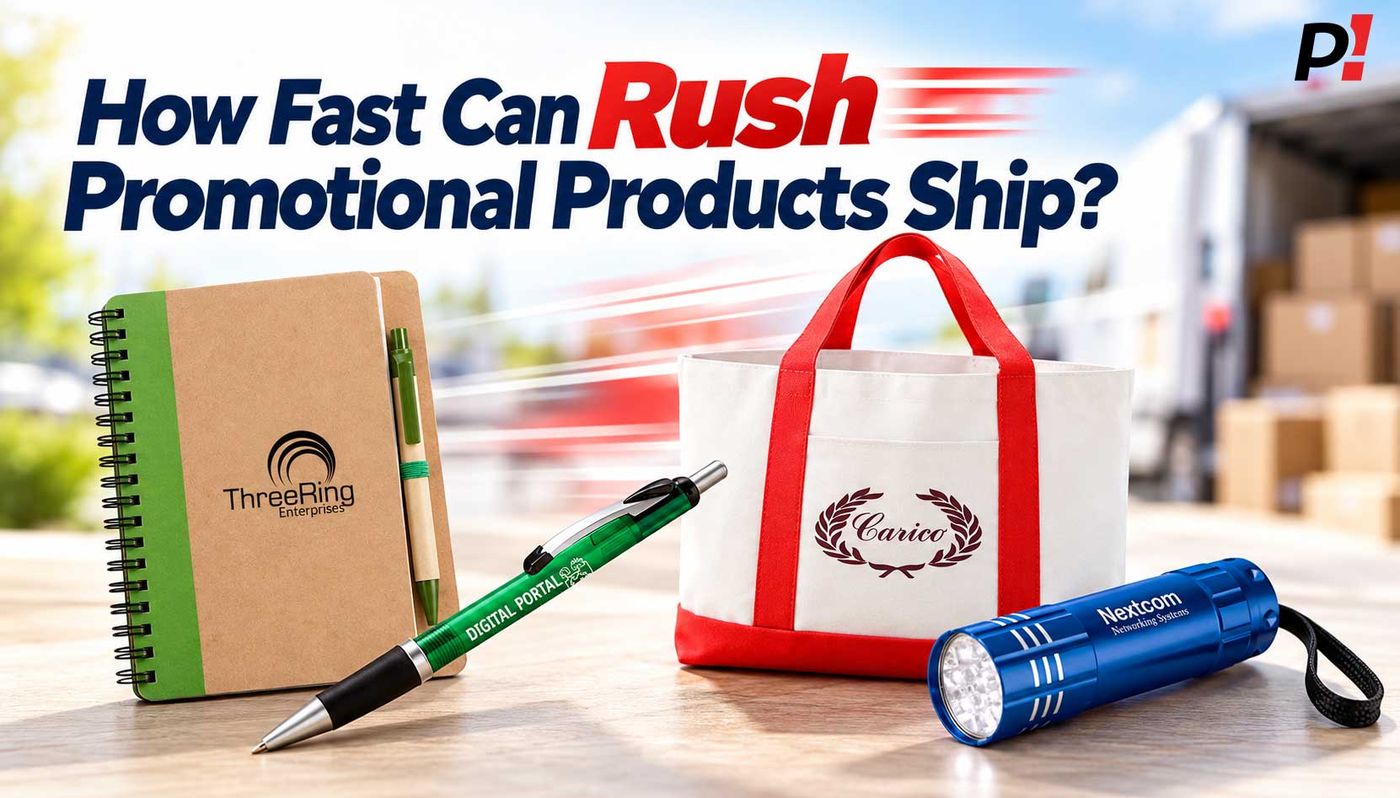
Rush promotional products can ship in a matter of days, not weeks, when the item is in stock and the decoration method is straightforward. The exact turnaround depends on the product, the imprint method, and how quickly you approve the proof, but rush service exists precisely for buyers who have a date they cannot move: a trade show next week, a safety kickoff on Monday, or a new-hire orientation that starts before standard production would finish.
Most promotional product orders follow a standard production calendar that includes proofing, decoration, and shipping. Rush service compresses that calendar by prioritizing your order in the production queue and, in many cases, using faster shipping. The tradeoff is that rush works best with a narrow set of products and decoration methods, so the earlier you contact us, the more options stay open.
This post answers the question directly, then covers who rush orders are built for, what changes the timeline, and how to place a rush order so it actually arrives on time. If you are a marketing director, HR director, safety manager, or small-business owner working against a fixed event date, the details below are the ones that decide whether your order lands.


How Rush Production Actually Works
The short answer is that rush promotional products move through the same steps as any other order, just faster and with fewer choices. A standard order typically includes artwork review, a digital proof, decoration setup, production, and shipping. Rush service shortens the proofing window, moves your job to the front of the decoration queue, and upgrades shipping when the deadline requires it. What it cannot do is invent inventory or skip quality checks, which is why product selection matters so much.
The single biggest factor is whether the item is in stock. In-stock products can move into decoration almost immediately. Items that must be manufactured or imported carry lead times that rush service cannot erase. When you call about a tight deadline, the first question we will ask is which products you are open to, because the fastest path is usually a different product than the one you had in mind. Custom water bottles, branded tote bags, and logo-printed pens are common rush candidates because they are stocked in large quantities and decorated with methods that scale quickly.
Decoration method is the second factor. Screen printing or pad printing are fast, repeatable processes that handle bulk orders well. Embroidery takes longer per unit because each piece runs through a machine, and full-color heat transfer requires a transfer production step before application. If your date is tight, a one-color screen print will almost always beat a multi-color process. That does not mean you settle for a weak imprint; it means you match the method to the deadline.
Artwork readiness is the third factor, and it is the one buyers control most directly. Vector artwork, a clear logo file, and a quick proof approval can save a day or more. Orders that arrive with a low-resolution logo, unclear color direction, or a decision-maker who is traveling tend to lose time in review. If you know a rush order is possible, keep vector logo files and approved brand colors on hand so you can submit a clean order the same day the need appears.
Finally, shipping method and destination matter. Ground shipping to a single address is the simplest, but the slowest method. Split shipments to multiple offices, trade show venues, or hotel receiving desks add coordination time and risk. For rush orders, shipping everything to one location and distributing internally is usually the safer play, even if it means a little extra legwork on your end.
- In-stock products move fastest; made-to-order items carry lead times rush cannot remove.
- Simple decoration methods (screen print, pad print, sometimes laser engraving) beat multi-color and embroidery on speed.
- Clean vector artwork and fast proof approval protect the timeline.
- Single-destination ground shipping is the least risky option for tight deadlines.


Who Rush Orders Are Built For
Rush promotional products serve buyers whose calendars are set by someone else. Marketing directors are the most frequent rush customers because trade show dates, product launches, and campaign deadlines rarely move. A booth reservation is booked months ahead, but the giveaway decision often lands weeks or days before the show. When that happens, the marketing team needs bulk branded items that look intentional, not like a last-minute compromise. Custom tote bags, logo-printed notebooks, and branded water bottles can carry a booth theme on short notice when the artwork is ready.
HR directors use rush orders for hiring and retention moments that do not wait. A new-hire class starting Monday needs welcome kits. An employee appreciation event scheduled by leadership needs gifts in hand. A recruiting event at a university needs table giveaways by the end of the week. In each case, the HR team is coordinating with a date that was set elsewhere, and rush production is what keeps the program from slipping. Personalized drinkware and custom apparel are common requests, though apparel timelines vary more than hard goods.
Safety managers have some of the most date-sensitive needs of all. Safety weeks, OSHA training sessions, and site-launch orientations are scheduled in advance, and the promotional items tied to them, such as branded safety glasses, custom hard hat stickers, and logo-printed cooling towels, need to arrive before the session, not after. A rush order for safety incentives is not a nice-to-have; it is part of the program's visibility. When the training date is fixed, rush service is the difference between a coordinated rollout and a box that shows up late.
Small-business owners round out the list. A local retailer planning a grand reopening, a restaurant hosting a vendor event, or a service business attending a chamber of commerce mixer often decides on giveaways close to the date. These buyers usually need smaller runs than a corporate marketing department, and minimum order quantities vary by product, with each item's minimum shown on its product page. Rush service lets a small team act on a local opportunity without committing to a long production calendar.
Nonprofits, schools, and community organizations also rely on rush orders for fundraisers, 5K events, and volunteer appreciation days. The common thread across all of these buyers is a fixed date and a program that depends on physical items being present. Rush promotional products exist because those dates do not negotiate.

Pocket-Buddy Notebook - 24hr Service
Item # 506030

New Wave Pocket-Buddy Notebook Set - 24hr Service
Item # 506115

The Eco Spiral Notebook with Pen - 24hr Service
Item # 521537

Durahyde Zippered Padfolio - 24hr Service
Item # 521512
What Changes the Rush Timeline
Several variables can stretch or shrink a rush order, and knowing them helps you plan realistically. Product availability is the first and largest. An item listed as in stock can usually move into production quickly, while an item with a note about extended lead time cannot. If your first-choice product is unavailable, ask for a comparable alternative in the same category. A different custom water bottle or branded tote bag with similar styling often keeps the program on track.
Imprint complexity is the second variable. One-color imprints on one location are the fastest configuration. Adding a second color, a second imprint location, or a wrap-around print adds setup and production time. Individual personalization, such as individual names on drinkware, adds a data-handling and production step that can push a rush order past its window. If the deadline is firm, keep the decoration simple and save the elaborate imprint for a standard-timeline order.
Proofing speed is the third variable, and it is fully in your hands. We send a digital proof before production. Every hour that proof sits in an inbox is an hour removed from the production window. Designate one approver, check the proof against your brand standards, and respond quickly. If your organization requires multiple approvals, start that conversation before the order is placed so the sign-off does not become the bottleneck.
Quantity is the fourth variable, though the effect is not always obvious. Larger bulk orders take longer to decorate and pack than small ones, but minimum order quantities vary by product, so the smallest possible order is not always the fastest to configure. Most rush production items can be rushed up to the published pricing quantities. Quantities above the highest quantity pricing tier may put that quantity out of range for rush productioon. Ask about your quantity needs so the production team can schedule accordingly.
Shipping distance and method are the fifth variable. Rush orders often ship by expedited carrier service, and remote destinations or residential addresses can add a day. Weather events and carrier delays are outside anyone's control, which is why experienced buyers build in a buffer. If the event is Monday, aim to have the shipment in hand by the Thursday or Friday before. A one-day cushion absorbs most surprises.
Finally, the time of year matters. Late fall and early winter are peak season for promotional products, and production queues fill up. A rush order in November faces more competition than the same order in February. If your event falls during a busy period, start the conversation earlier than you think you need to.
- In-stock status is the largest single factor in rush turnaround.
- One-color, one-location imprints move fastest.
- A single designated proof approver protects the schedule.
- Peak season adds competition for production slots.
- Build in a one-day buffer before the event date.


How to Order Rush Promotional Products
Start with the date, not the product. Tell us the exact date the items must be in hand, and let us work backwards. Don't add your own buffer days; we'll already do that, as we like rush orders to arrive a few days earlier, if possible. When you add your own buffer days without telling us, we'll add extra days leading to higher rush costs and higher shipping costs, which are often unnecessary. That single piece of information determines which products and decoration methods are viable. Buyers who lead with the product they want sometimes learn too late that a different item would have arrived on time. Leading with the latest possible in-hands date keeps the conversation focused on what is actually possible.
Have your artwork ready before you call. Vector logo files, brand color codes, and any required copy should be in hand. If you are ordering personalized items, have the name list formatted and checked. Clean inputs are the fastest way to shorten the proofing cycle. If your logo exists only as a low-resolution image, ask early whether it can be redrawn, because that work takes time and may affect the schedule.
Choose products that are stocked and decorated with fast methods. Custom water bottles, branded tote bags, logo-printed pens, and promotional notebooks are reliable rush candidates. If you need something more distinctive, ask which items in the category are in stock rather than assuming the one you saw in a catalog is available. Product minimums vary by item and are shown on each product page, so confirm the minimum for the specific item before you commit.
Confirm the shipping plan in writing. Verify the destination address, the receiving hours, and who will sign for the delivery. For trade shows, confirm whether the venue accepts advance shipments and what the receiving deadline is. A rush order that arrives at a convention center after the receiving window closes is not a success. When in doubt, ship to your office and hand-carry the items to the venue.
Ask about the proof and approval process up front. Know who will receive the proof, how long you have to approve it, and what happens if changes are needed. Build the approval into your own calendar so it does not slip. If your organization requires legal or brand review, start that process before the order is placed.
Finally, treat rush as a tool for exceptions, not a default. Standard production timelines give you more product options, more decoration choices, and more room to compare. Rush promotional products are there for the dates that cannot move. When you plan ahead, you get the best of both: the product you want and a comfortable margin before the event.
Rush-Ready Promotional Products

Baseball Stress Reliever - 24hr Service
Item # 506268 2AC

Football Stress Reliever - 24hr Service
Item # 506268 2AJ

Star Stress Reliever - 24hr Service
Item # 506268 2AG

Round Stress Reliever - 24hr Service
Item # 506268 2BJ
Get Help Now With Rush Promotional Products
Let us know what rush promotional products you need, the quantity, and the date you need them by. We'll give you all the options at the lowest possible price.
See Related Blogs About Promotional Product Ideas
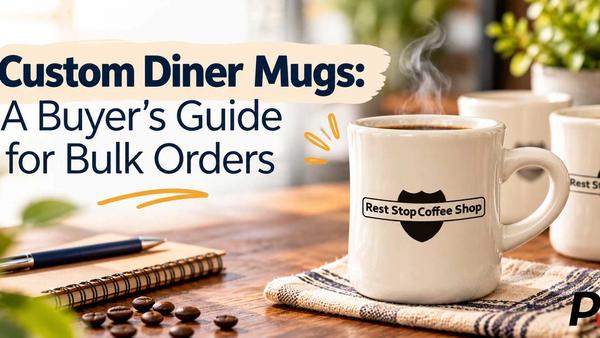
Custom Diner Mugs: A Buyer's Guide for Bulk Orders
Custom diner mugs bring a classic American feel to your next promotion. This buyer's guide covers decoration methods, quality checks, and planning tips for bulk orders.
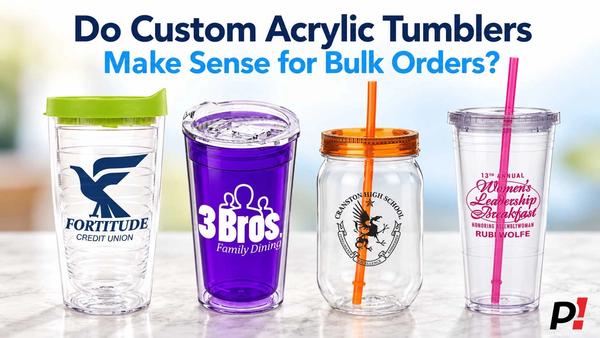
Do Custom Acrylic Tumblers Make Sense for Bulk Orders?
Custom acrylic tumblers are a practical, lightweight option for bulk promotional orders. Learn how decoration methods, minimums, and use cases affect your order so you can plan a giveaway that works.
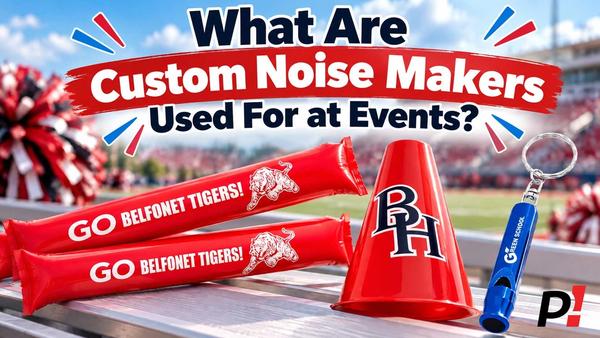
What Are Custom Noise Makers Used For at Events?
Custom noise makers turn up the volume at trade shows, pep rallies, and safety events. This buyer's guide covers practical uses, creative giveaway ideas, and how to order bulk logo noise makers with confidence.
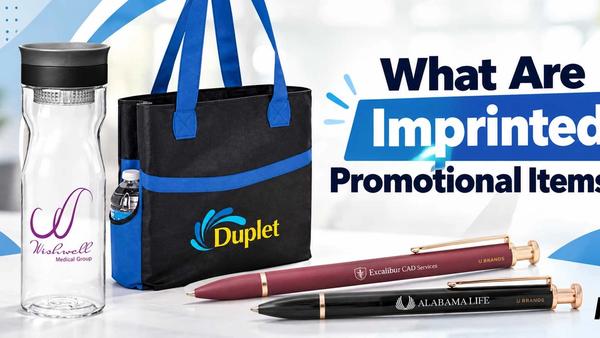
What Are Imprinted Promotional Items?
Imprinted promotional items are branded products ordered in bulk and decorated with your logo. This guide explains how they work, who uses them, and how to order.
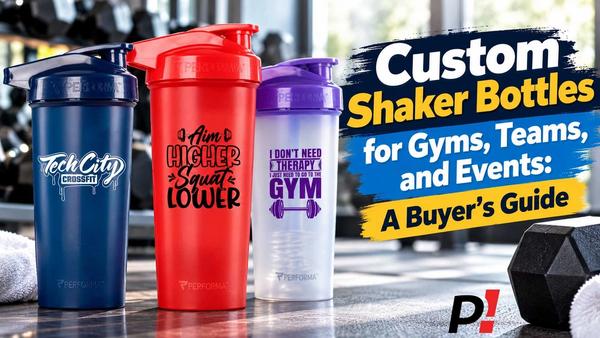
Custom Shaker Bottles for Gyms, Teams, and Events: A Buyer's Guide
Custom shaker bottles are a practical giveaway for gyms, sports teams, and wellness programs. This buyer's guide covers materials, decoration methods, minimums, and lead times so you can order with confidence.
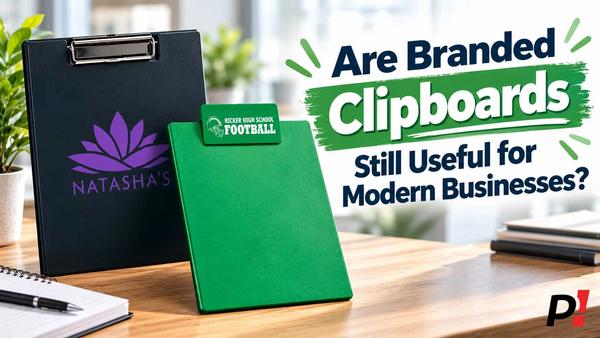
Are Branded Clipboards Still Useful for Modern Businesses?
Branded clipboards remain a practical, high-visibility promotional tool for any organization that still runs on paper. Learn how bulk custom clipboards support safety programs, onboarding, and client gifts, and how to order them right.
Why Order Clipboards with a Company Logo in Bulk?
Clipboards with a company logo are a practical bulk promotional item that keeps your brand visible during training, safety audits, and client visits. Learn who orders them and how to customize them.
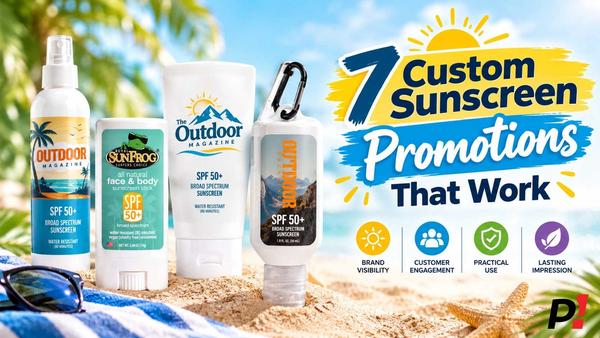
7 Custom Sunscreen Promotions That Work
Custom sunscreen keeps your brand top of mind at outdoor events, job sites, and client giveaways. Here are seven promotional sunscreen formats that work for marketing, HR, and safety teams.