What is Social Media Marketing and Who Needs It?

If you own a business, you must be on social media – it’s that simple.
Yes, it seems overwhelming. How do you choose between Facebook, Twitter, Instagram, or Pinterest? That’s not even all of them – Tik Tok and Pinterest are effective for certain audiences too.
Social media marketing shouldn’t be overwhelming – it should be fun and engaging. After all, it’s one of your best ways to drive traffic to your business, build awareness, and have meaningful communication.
How does it get any better than that?
Here’s the problem. The right social media strategy for your business may be completely different from the business next door. Really it’s not a problem, but it seems like one when all you want to do is copy and paste what someone else does. But just like each business has its own business model, they should have their own social media marketing strategy too.
The right strategy provides the right content, type of engagement, even challenges because without challenges, how would any of us grow?
How Does Social Media Marketing Work?
Social media marketing gives you a chance to connect with your audience on a higher level than any other marketing technique offers.
Does this mean every post should be about how great your products are or promote your products? No, please don’t do that. It’s the number one way to turn your target audience away. What your audience wants is engaging posts – content they find value in and can share with others. That’s the true value of social media. It’s the highest honor when someone shares your post – it says, ‘Hey I found this amazing, and I think you’d like it too.’
What can you get out of social media marketing? This is just the tip of the iceberg:
- Market research – Wouldn’t it be great to know what your audience thinks or needs all the time? Asking relevant questions and encouraging engagement provides it. You can even use it to see what your competitors are doing and how it’s working for them. Not that you want to copy them, but you’ll know what your target audience needs and what voids you should fill.
- Content variations – Do you love to write? Create blog posts and share them on your social media sites. How you share them depends on the platform. Facebook, for example, provides room for content, and audiences there may read it. Twitter, on the other hand, operates on short tweets and hashtags. You may link to your blog post, but get creative with those tweets to create awareness and desire. Maybe you love video content. Create your video on YouTube and then share its highlights on your favorite platforms. Do you take amazing pictures that speak louder than words? Pinterest and Instagram are great for this.
- Awareness – The content you choose above creates awareness. All it takes is one person to like and share your content to get the ball rolling. The more people your content gets in front of, the more brand awareness you create, all from one blog post, video, or picture.
What are the Benefits of Social Media Marketing?
Social media marketing reaches almost three-quarters of the population – 72% of Americans use some type of social media. The benefits right there are quite obvious, but here are a few more:
- More website traffic – If you feel like you’re on a hamster wheel dealing with the same website traffic every day, get on social media. As people share your content, you earn organic inbound links to your website. Google likes that too, in case you were wondering, so it’s great for SEO too.
- Personify your brand – Giving your business a personality helps your target audience bond with you better. Showing your company’s culture, beliefs, and even behind-the-scenes posts help your audience see your business as more than a name and a product – it’s something for your audience to relate to or even look up to.
- Give your company a voice – Comment cards and even ‘contact us’ pages aren’t enough to hear from your audience. Social media gives another outlet for your customers to reach out, with both good and bad comments. Wouldn’t you want to know what your customers don’t like so you could change it and potentially increase sales?
- Create more brand authority – Consumers love engagement. When you interact with your audience on social media, it shows that you care. If you have a social media page where people make comments (good or bad) and you don’t respond, it reflects negatively on you. But, if you use it right and engage with your audience, you’ll create brand authority, putting your business in the forefront of consumers’ minds.
Are There Downsides to Social Media Marketing?
Every pro has a con, right? This rings true for social media market too, but the downsides are manageable if you’re aware of them.
The largest issue is the risk of negative comments. But, we can’t make everyone happy, right? Putting yourself on social media opens up the possibilities of negative comments that everyone can see. If you start social media marketing, regular monitoring and quick responses to negative comments is crucial to save face.
How to Start Social Media Marketing
So now you know social media marketing is crucial – where do you start? Here’s a quick breakdown.
- Decide why you want to get on social media. Are you trying to increase brand awareness, promote your products, increase your SEO ranking, or all of the above? Your goals determine your plan, so dig deep.
- Know who will handle your social media. If you run a one-man show, will you outsource your social media marketing? If you have a large company, do you have one person dedicated to posting, managing, and overseeing your social media accounts?
- Do your research. Find out where your target audience hangs out. Younger audiences gravitate toward Instagram and Tik Tok. But certain audiences hang mostly on Facebook. Each audience is different. See where they engage with other companies the most and start there.
- Create consistent content. If there’s one thing all social media platforms have in common, it’s the need for consistency. Your audience wants it as does Google (if you care about your ranking). Make it a goal to post at least twice a day every day.
- Create a schedule. Don’t leave social media posting to chance – create a schedule and even create your posts ahead of time. Setting up automatic posting is one of the best tools social media offers.
- Delivery quality posts. Here’s a great rule of thumb. Limit 20 percent of your posts to self-promotion. The other 80 percent should create a name and personality for your business. It’s your time to show yourself as the authority in the industry – the company that provides value without asking for the sale – those will come naturally.
- Let your audience talk. It’s scary to give up control, but your audience will love it. Open up your platforms to give your audience their time and space to talk. When you talk back, you create a relationship – one that naturally leads to sales and more leads.
When Should you Start your Social Media Strategy?
There’s no better time than the present to start your social media strategy. The sooner you start, the better. The longer you wait, the more time you give your competitors to take over. Do your research, choose one platform, and jump in headfirst. Just keep doing your research and staying on top of the ever-changing market and you’ll find your way.
Order Custom Promotional Product Ideas Today
Our team can help you pick the right product, decoration, and quantity for your project. Reach out and we’ll send tailored ideas — usually within one business day.
See Related Blogs About Promotional Product Ideas

Super Premium Client and Employee Gifts - $100-$500 Range
Super premium gifts send a message that standard swag cannot. This buyer's guide covers product directions, decoration methods, and the logistics marketing directors and HR teams need to plan high-value client and employee gifts without surprises.
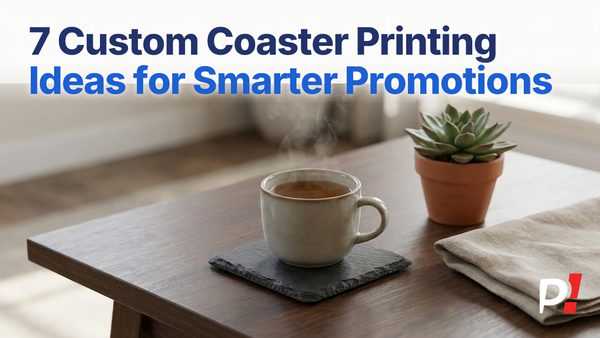
7 Custom Coaster Printing Ideas for Smarter Promotions
Custom coaster printing does more than protect furniture. See seven practical ways marketing directors, HR teams, and small-business owners use branded coasters for trade shows, client gifts, and employee programs.
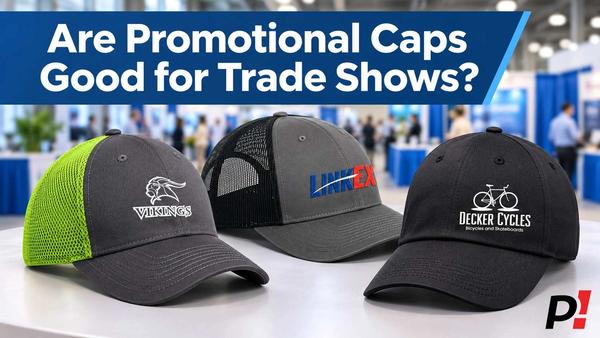
Are Promotional Caps Good for Trade Shows?
Promotional caps remain one of the hardest-working trade show giveaways. This post explains why they still earn booth traffic, which buyers benefit most, and how to order bulk custom caps that get worn long after the show floor closes.
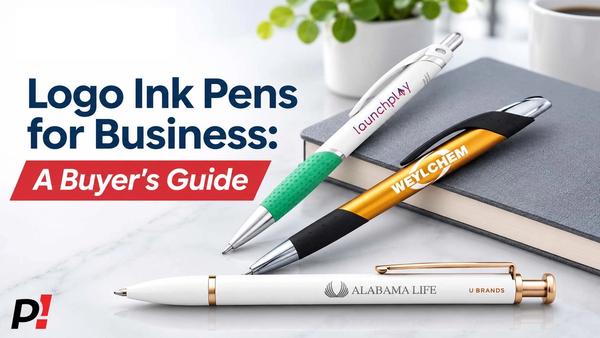
Logo Ink Pens for Business: A Buyer's Guide to Bulk Orders
Logo ink pens are a workhorse promotional item for trade shows, employee appreciation, and safety programs. This buyer's guide covers barrel materials, ink types, decoration methods, minimums, and lead times so you can order with confidence.

12 Ways Custom Mossy Oak Shirts Work for Business
Custom Mossy Oak shirts give your logo a backdrop that outdoor-minded customers and employees already trust. Here are 12 practical ways marketing directors, HR teams, safety managers, and small-business owners put branded camo to work.

Engraved Pens for Business: A Buyer's Guide
Engraved pens give your logo a permanent, professional look that lasts for years. This buyer's guide covers materials, decoration methods, minimums, lead times, and creative giveaway ideas for bulk orders.
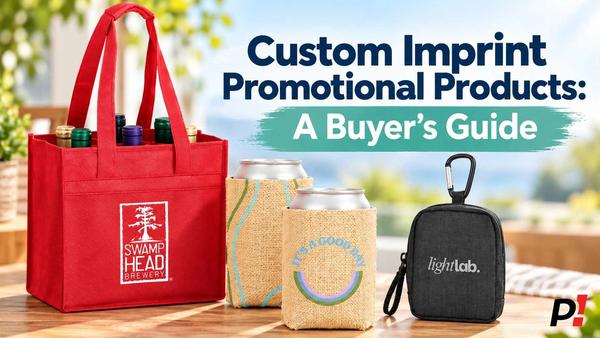
Custom Imprint Promotional Products: A Buyer's Guide
Custom imprint promotional products put your logo in customers' hands. This buyer's guide covers use cases, decoration methods, quality checks, and lead times so you can order with confidence.
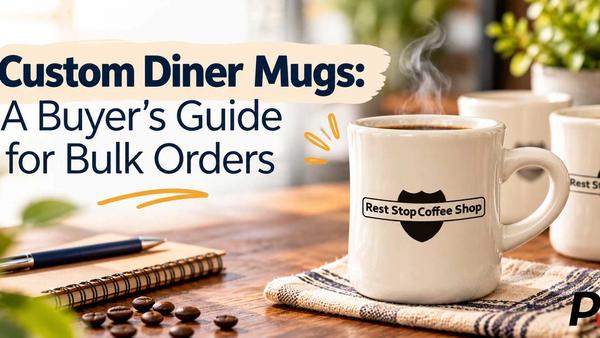
Custom Diner Mugs: A Buyer's Guide for Bulk Orders
Custom diner mugs bring a classic American feel to your next promotion. This buyer's guide covers decoration methods, quality checks, and planning tips for bulk orders.